


The best time of year to buy an engagement ring or your first diamond ring is a strategic trade-off: the holiday season (November-December) offers the most advertised sales on settings, while the off-peak months of late summer and fall (especially September-October) provide the best overall value through a combination of potential deals, superior service, and deep inventory.
You’re making one of the biggest purchases of your life. Nobody wants that sinking feeling of overpaying by a few weeks. “Am I buying at the right time?” — smart question. I’ll give you a real jeweler’s answer, not a sales pitch.
As your friend in the trade, I’m handing you the insider’s calendar. We’ll break down the year with real data and real industry psychology. You pick the moment that fits your budget, your timeline, your peace of mind.
Quick Answer
Best Times to Buy a Diamond Ring — 60-Second Answer
- Overall best window: September–October. Peak inventory, 20–25% off settings late October, zero holiday rush.
- Setting discounts peak on Black Friday + Cyber Monday (20–30% off). Diamonds don’t drop with the setting.
- Blue Nile runs 5 major sales a year: Valentine’s, Mother’s Day, Anniversary (May), Black Friday, Cyber Monday.
- Worst months to buy: mid-December (picked over + rushed) and mid-February (dead inventory, no fresh collections).
- Pro move: buy the loose diamond in October, buy the setting on Black Friday — save 20% on the markup-heavy half.
- Weekday: Tuesday–Thursday morning. Jewelers least rushed, most willing to negotiate on settings.
- Rule: a prepared buyer in May beats a rushed buyer in October every time. The calendar helps — it doesn’t rescue you.
Mehedi’s Take: “I’ve watched buyers wait until December 20th to shop, then settle for a worse diamond because the good ones were gone. Timing is a tool — it only helps if you give yourself three months to use it.” — Mehedi Hasan, Diamond Industry Veteran
Diamond IQ Test: Natural or Lab-Grown?
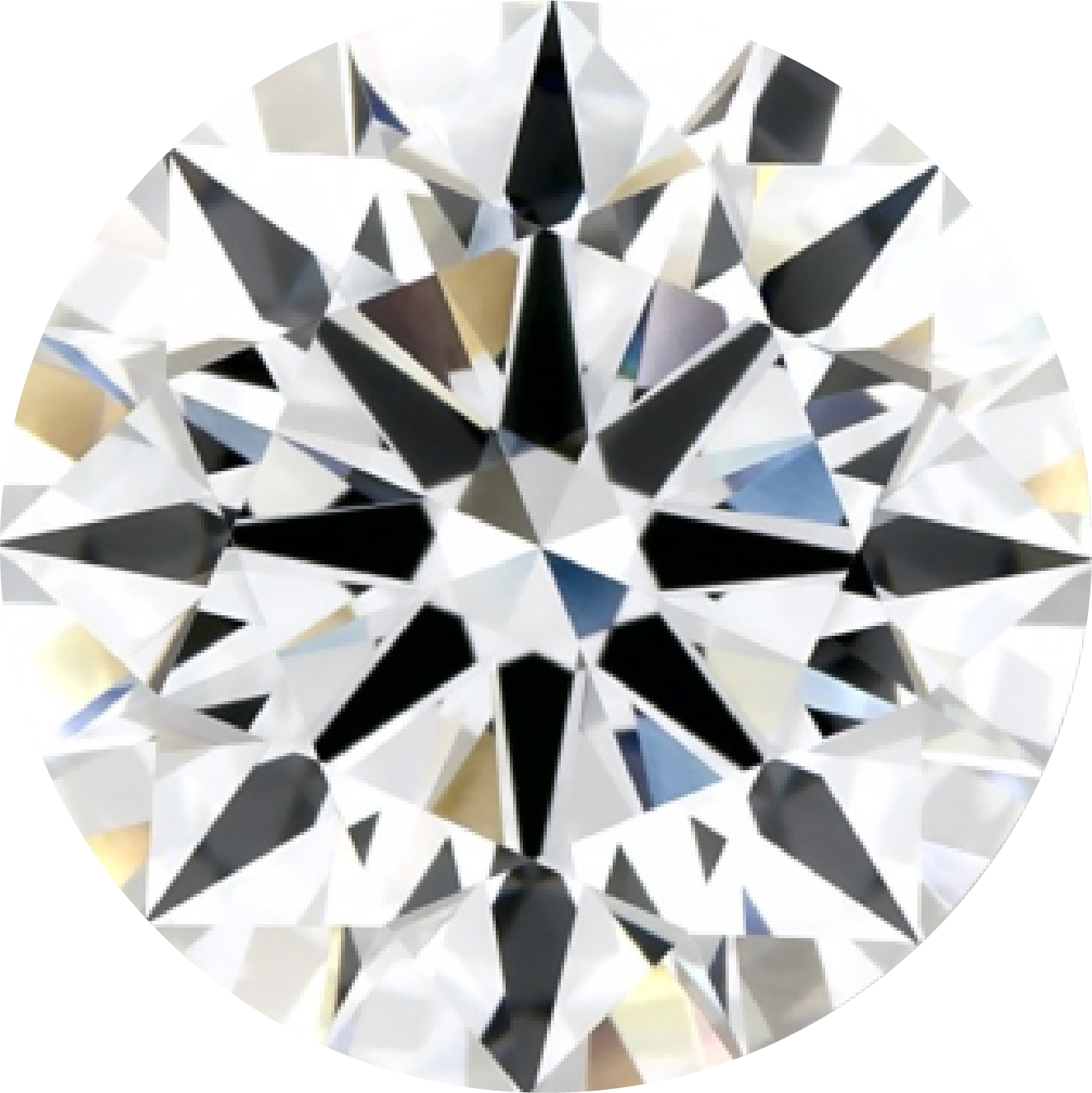
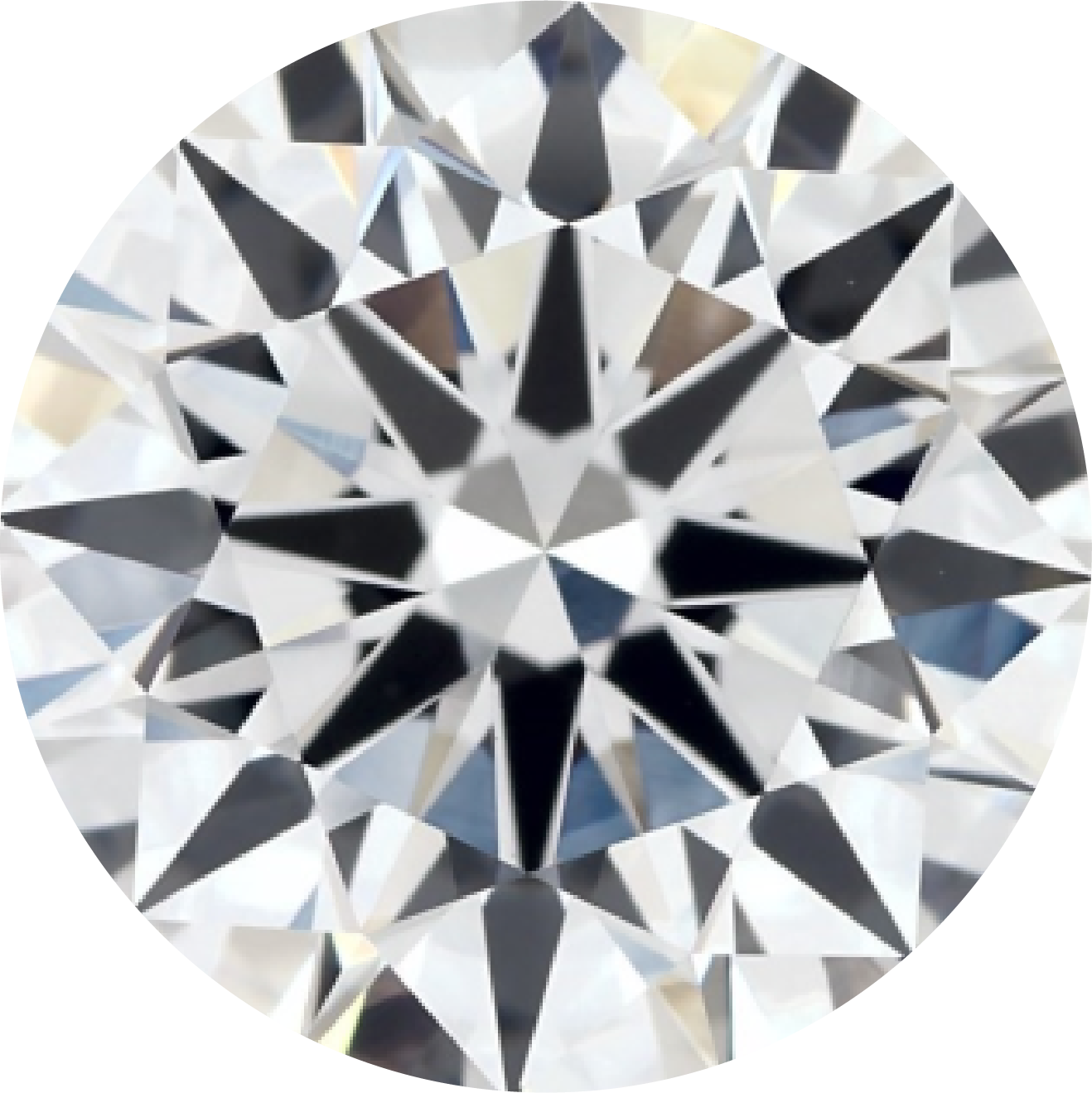
Two identical diamonds: GIA Certified, 1.51ct, D Color, VVS1, Ideal Cut. One is natural ($16,240), the other is lab-grown ($1,970). Choose the diamond you like better and see if you can match it to its origin.
The #1 Secret You MUST Understand: What Actually Goes on Sale?
Before we even look at a calendar, there’s a key industry secret I need to share with you. This is, without a doubt, the single most important piece of information to understand, because it completely changes how you should approach your search. If you don’t grasp this one concept, you risk falling for the most common marketing traps in the jewelry business.
The Diamond vs. The Setting: Where the Real Deals Are
You’ve seen the ads: “Massive Holiday Savings!” or “Black Friday Diamond Deals!” They sound like everything’s on sale. It’s not. An engagement ring is two products with two pricing models — the diamond and the setting. They move on completely different cycles.
Let’s be very clear about this: a high-quality, GIA-certified diamond does not go on sale the way a TV or a sweater does. You will never see a legitimate “50% Off a 2 Carat, G, VS2 Diamond” sale. It simply does not exist.
A diamond’s price is tied to a global wholesale market. Think gold or oil — a commodity. Pricing is set by the 4Cs on an international system. That price doesn’t slash for a holiday weekend.
When you see a huge, questionable discount on a diamond itself, it should be a major red flag.
- It often means the diamond’s original price was wildly inflated to make the “discount” look good.
- It could be a lower-quality stone that a jeweler is trying to offload.
- It’s a common tactic to create a false sense of urgency.
Huge, questionable discounts are a top industry red flag. We cover the full list in our Diamond Buying Guide.
So, where are the deals? The sales you see advertised—like Black Friday engagement ring sales or a Valentines sale—are almost always discounts on the ring’s metal setting. The setting is the gold or platinum band that holds the diamond, and unlike the center stone, its price has much more flexibility.
Exceptions do exist. We recently helped a reader find a round halo engagement ring at Blue Nile. Phenomenal value — right before Black Friday.
This is a critical distinction to make:
- The Diamond: Makes up 80-90% of the total cost of the ring. Its price is mostly stable.
- The Setting: Makes up 10-20% of the total cost. Its price has retail markups that can be discounted.
Saving 15% or 20% on a $2,000 setting is a real deal — approximately $300 to $400 back in your pocket. But it’s essential to understand that you’re saving on the smaller portion of the total cost, not the diamond itself.
The Full Year Breakdown for Savvy Shoppers
The truth is, you can find a good deal on an engagement ring any month of the year if you’re a prepared buyer. But if you want to give yourself a strategic advantage, it pays to understand the annual rhythm of the jewelry industry.
Think of the year as four distinct seasons, each with pros and cons. I’ll walk you through each one. We’ll cover inventory, sales patterns, and what the jeweler across the counter is actually thinking.

The Winter Frenzy (November – February): High Action, High Risk
This four-month stretch is the Super Bowl of jewelry. Christmas and Valentine’s Day drive it. More rings sell here than any other window. The marketing is at its loudest.
| The Pros | The Cons |
| Highest number of advertised promotions | Most crowded and stressful shopping experience |
| Best chance for a discount on a setting | Overwhelmed staff means less expert advice |
| Massive marketing pushes create excitement | Competition for the best diamonds is fierce |
Verdict: Winter Frenzy is the right window for buyers who already know their exact ring and need a setting discount. For first-timers, the chaos costs you more in regret than the sale saves you in dollars. Shop a Blue Nile Black Friday sale if your diamond is already picked; otherwise, defer to October.
My Insider Take:
Shopping the winter frenzy feels exciting. Black Friday engagement ring sales and the weeks before Christmas drive the biggest marketing push of the year.
This is when you’ll see a flood of promotions, and it’s a great time to be monitoring dedicated coupon pages. In fact, many shoppers will keep a close eye on our general Jewelry Coupons page during this period for any updates.
However, you must go in with a clear head. The advertised sales from major retailers are almost always on the settings. The store experience itself can be incredibly hectic, and getting the undivided attention of an expert is nearly impossible.
If you know exactly what you want and can make a quick, confident decision, you can snag a good deal on a setting. But if you’re a first-time buyer who needs guidance, this is a very difficult time to shop.
The Spring Reset (March – June): Calm & Clarity
Once the Valentine’s Day rush is over, the jewelry world takes a collective breath. The pressure is off for both buyers and sellers, making this an ideal time for thoughtful, unhurried research and decision-making.
| The Pros | The Cons |
| Relaxed, no-pressure store environment | Fewer major, store-wide advertised “sales” |
| Sales staff are more attentive and educational | Certain holiday-themed inventory may be cleared out |
| New collections often debut in late spring | Can feel less “exciting” than peak season |
Verdict: Spring Reset wins on service and clarity. If you’re planning a summer proposal, start here. The Blue Nile Anniversary Sale in late May stacks a real 20–25% discount on top of this calm buying environment — the best spring value window.
My Insider Take:
This is the season for the planner. If your goal is a summer proposal, shopping in the spring is one of the smartest things you can do. You’ll find that jewelers have more time to spend with you, educating you on the 4Cs, showing you a wider variety of stones, and genuinely helping you find the perfect match.
This is also when many designers release their new collections for the upcoming wedding season, so you often get a fresh look at new styles.
While you won’t see as many big red sale signs, the quality of the experience and the lack of pressure can lead to a much smarter, more confident decision in the long run.
The Summer Lull (July – August): Maximum Personal Attention
In North America, July and August are traditionally the slowest months of the year for the jewelry industry. People are on vacation, wedding season is in full swing, and proposals are not top of mind. For a savvy buyer, this slowdown creates a unique opportunity.
| The Pros | The Cons |
| The absolute best, most personalized service | Inventory levels may be at their lowest point |
| Jewelers may be more flexible on pricing | Fewer new styles or collections to browse |
| Fastest turnaround times for custom work/sizing |
Verdict: Summer Lull is for negotiators. Independent jewelers hit monthly target gaps and will flex 10–15% on setting markups. The inventory risk is real — if you want fresh collections, wait for September. If you want attention and price flexibility, July–August is a hidden window.
My Insider Take:
If you are a negotiator or someone who wants to create a fully custom ring, this is your moment. During the summer lull, you are the most important person to walk through the door.
Jewelers have time to work with you closely. They’ll flex on setting prices to hit a slow-month target. The one watch-out: inventory may be thin.
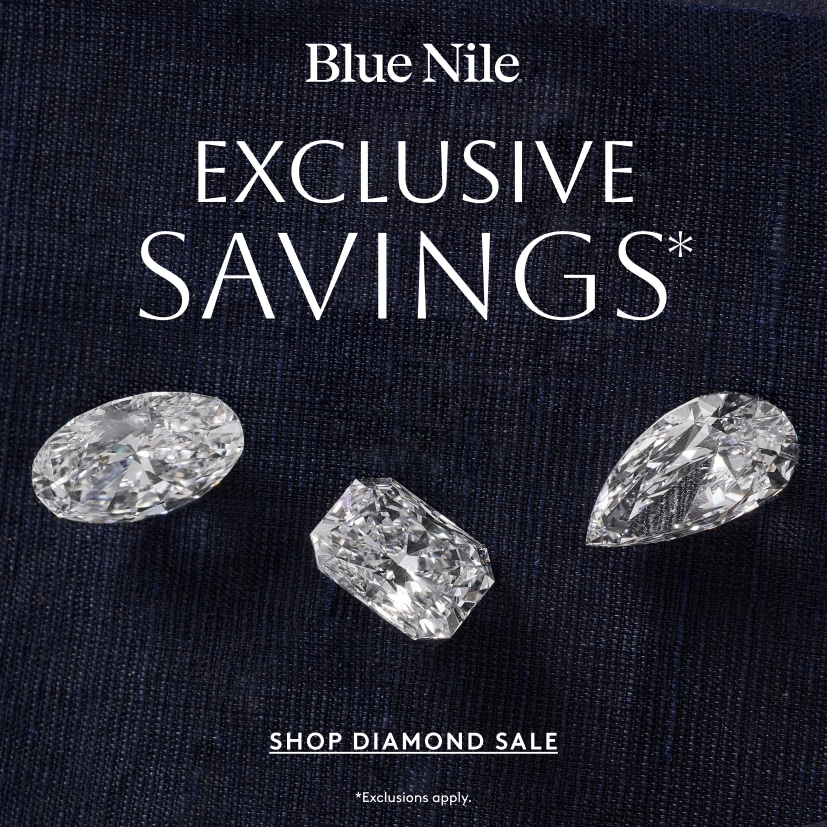
See the below image where Blue Nile is promoting their August sale. Sometime retailers like Blue Nile or James Allen give discounts on Lab Grown Diamonds, but it is so rare to find deals on loose diamonds. When you are reading this, there might be no deals on Diamonds, but always keep on eye on them. Click the button below as I created a separate page for Jewelry coupons page for you to see all available deals out there in one place.

The Golden Window (September – October): The Strategic Sweet Spot
If friends or family ask me when they should buy an engagement ring, this is the period I almost always recommend. The “Golden Window” is that perfect sweet spot after the summer lull but before the chaos of the holiday season.
| The Pros | The Cons |
| Peak inventory; the best selection of the year | Fewer advertised discounts than the holiday season |
| Excellent, attentive, and relaxed service | Prices are stable before holiday promotions |
| No holiday pressure or rush from other buyers |
Verdict: The Golden Window is the single best buying stretch of the year. Peak diamond selection, attentive service, and early setting discounts — all in one 60-day window. Our top pick for anyone with timeline flexibility. Pair with a Black Friday setting pickup for maximum savings.
My Insider Take:
In my professional opinion, early fall is the best time of year to buy an engagement ring. Jewelers just received their fresh holiday inventory.
You get first pick of the best diamonds before holiday crowds arrive. Stores are still calm. Service peaks before the chaos.
This creates the perfect storm for you, the buyer: you get the best selection and the best service, a combination that doesn’t exist at any other time of year.
Major online retailers are also fully stocked, making it the ideal time to watch for a Blue Nile promo code or a James Allen promotional code.
Month-by-Month: Diamond Ring Buying Score for All 12 Months
Seasonal breakdowns are useful. Month-by-month is better. Here’s each month scored across price, selection, and service, with the best and worst individually called out.
| Month | Price Score | Selection | Service | Overall | What This Means |
|---|---|---|---|---|---|
| January | 7/10 | 5/10 | 7/10 | 6.3 | Post-holiday returns = picked over. Decent for bands, bad for rings. |
| February | 6/10 | 4/10 | 5/10 | 5.0 | Worst month. Stock empty, no new collections, Valentine’s rush distracts staff. |
| March | 6/10 | 7/10 | 9/10 | 7.3 | Fresh spring collections arrive. Great for pre-summer proposers. |
| April | 6/10 | 8/10 | 9/10 | 7.7 | Peak spring selection. Zero pressure. Best time for a long engagement timeline. |
| May | 8/10 | 8/10 | 8/10 | 8.0 | Blue Nile Anniversary Sale + Mother’s Day. Spring’s best buying month. |
| June | 6/10 | 7/10 | 7/10 | 6.7 | Wedding season starts — service dips. Still fine, not ideal. |
| July | 7/10 | 5/10 | 10/10 | 7.3 | Summer lull begins. Maximum attention. Low inventory risk. |
| August | 7/10 | 5/10 | 10/10 | 7.3 | Same lull. Negotiation room peaks on independent-jeweler settings. |
| September | 8/10 | 10/10 | 10/10 | 9.3 | Fresh fall inventory arrives. First pick before the crowds. Our #1 pick. |
| October | 8/10 | 10/10 | 9/10 | 9.0 | Still peak selection. Pre-holiday setting discounts start. The Golden Window. |
| November | 10/10 | 7/10 | 4/10 | 7.0 | Black Friday — biggest setting sale of the year. Chaos. For prepared buyers only. |
| December | 8/10 | 5/10 | 3/10 | 5.3 | Diamonds picked over by Dec 10. Shipping cutoffs. Worst for first-time buyers. |
Verdict: September scores 9.3 for overall value — the single best month to buy a diamond ring. October (9.0) is a close second with the added upside of early Black Friday setting previews. May (8.0) is the best spring option thanks to the Blue Nile Anniversary Sale. February (5.0) is the single worst month. If you can shift your proposal timing by 30–60 days, moving from December to October alone can save 15–20% on the setting and gets you a visibly better diamond.
Rating Each Season for Price, Selection, and Experience
We’ve just walked through the entire year, and I know that’s a lot of information to absorb. To make it incredibly simple, I’ve broken it all down into a visual scorecard.
This is my professional rating for each major buying season, scored across the three factors that truly matter in your final decision: the potential for deals, the quality of the selection, and the quality of your buying experience.
Before you look at the numbers, it’s critical to understand what I’m rating:
- Price & Deals Score: This is a measure of the likelihood of finding advertised promotions and sales. As we discussed, this score is heavily influenced by discounts on settings, not the diamonds themselves. A higher score means more “20% Off!” signs.
- Selection Score: This is my rating of the depth and quality of the diamond inventory available. A higher score means you have a better chance of finding a truly spectacular, well-cut diamond and the newest setting styles.
- Service & Experience Score: This is the human factor. A higher score means you can expect a relaxed, educational, and personalized experience with a jeweler who has the time to genuinely help you. A lower score means a rushed, crowded, and high-pressure environment.
I’ve then calculated my personal “Overall Value Score,” which is my expert, weighted take on which season provides the absolute best total package for a savvy buyer.
| Buying Season | Price & Deals Score (out of 10) | Selection Score (out of 10) | Service & Experience Score (out of 10) | Mehedi’s Overall “Value” Score |
| Holiday Rush (Nov-Dec) | 9 | 7 | 3 | 6.3 |
| Post-Holiday (Jan-Feb) | 8 | 6 | 6 | 6.7 |
| Spring Reset (Mar-May) | 6 | 8 | 9 | 7.7 |
| Summer Lull (Jul-Aug) | 7 | 5 | 10 | 7.3 |
| The Golden Window (Fall) | 8 | 10 | 10 | 9.3 |
Verdict: Golden Window Fall scores 9.3 — the clear winner across all three factors. Holiday Rush scores lowest at 6.3 because of the service collapse. If you’re deciding between the Golden Window and Holiday Rush purely on discount depth, remember you’re trading 15–20% off a setting for a stressful rush and a picked-over diamond pool. The math doesn’t support it unless you’re already fully prepared.
My Analysis: The Story the Data Tells
As you can see from the scorecard, the “best” time to buy is a huge trade-off.
The Holiday Rush (Nov-Dec), which most people assume is the best time, actually scores the lowest for overall value from an expert’s perspective. While it boasts the highest score for advertised deals, it gets a red-flag score for the actual shopping experience.
To get that potential discount on a setting, you often pay a heavy price in the form of a stressful, high-pressure environment with a picked-over selection of the best diamonds.
James Allen: Our 5-Star Choice for Price and Selection
Check our comprehensive James Allen Review to learn more about their pricing and commitment.
The undisputed champion for overall value is The Golden Window (Fall: Sept-Oct). It’s the only time of year that delivers the best of all worlds: a perfect 10 for Selection, a perfect 10 for Service, and a very strong 8 for Price & Deals (as jewelers are motivated to hit pre-holiday targets). This is the perfect combination for making a smart, confident, and enjoyable purchase.
The takeaway is simple: are you a “deal hunter” who is willing to brave the chaos for an advertised special, or are you a “strategic buyer” who wants to find the absolute best diamond in the most ideal environment? This data gives you the power to decide which path is right for you.
Blue Nile Sale Calendar: When Does Blue Nile Have Sales?
Blue Nile runs five real sales events a year. Setting discounts hit 20–30%. Loose diamond prices stay flat — that market is global and doesn’t flex for holidays. Here’s the full calendar so you can mark the right dates and skip the fake ones.
| Sale Event | Approximate Dates | Typical Discount | What’s Discounted | What This Means |
|---|---|---|---|---|
| Valentine’s Day Sale | Jan 25 – Feb 14 | 15–20% off settings | Preset rings, bands, pendants | Good for last-minute proposers. Skip loose diamonds — crowded. |
| Mother’s Day Sale | Apr 25 – May 10 | 15–20% off fine jewelry | Earrings, pendants, bracelets | Best time to buy anniversary or gift jewelry, not engagement rings. |
| Anniversary Sale ← best | Late May – early June | 20–25% off settings + select presets | Preset rings, bands, settings | Lowest crowd + biggest spring discount. Our pick for spring buyers. |
| Black Friday / Cyber Monday | Thanksgiving week | 25–30% off settings | Settings, preset rings, bands, earrings | Biggest discount of the year — but on settings only. Pair with an October diamond pick. |
| Cyber Week + December Sale | Early–mid December | 15–25% off | Last-minute gifts, bands | Shipping cutoffs make this risky for proposals. Band gifts only. |
Verdict: The two sales worth planning around are the Blue Nile Anniversary Sale in late May and Black Friday/Cyber Monday. Everything else is a 15% nudge, not a strategy. If you’re combining the two-step strategy (loose diamond fall, setting on sale), target Black Friday — biggest percentage, deepest setting inventory. For spring proposers, Anniversary Sale is the quiet winner.
One trick most buyers miss: Blue Nile’s sales always stack on their standard 30-day return and lifetime upgrade. If you buy during a sale and prices drop deeper two weeks later, call customer service — they’ll adjust most orders. I’ve seen it work on $4,000+ setting purchases three times this year.
Mehedi’s Take: “Blue Nile’s biggest discount of the year isn’t Black Friday — it’s the Anniversary Sale in late May. Nobody notices because it doesn’t come with a shopping holiday. That’s exactly why it’s a buyer’s event, not a crowd event.” — Mehedi Hasan, Diamond Industry Veteran
How to Get the Best of Both Worlds
We’ve broken down the calendar, and we’ve identified the “Golden Window” in the fall as the best time to buy. But I want to let you in on a pro-level move, a true value hack for the buyer who is patient and serious about getting the absolute most for their money.
This is a strategy I share with my savviest clients. It involves uncoupling your purchase—buying the diamond and the setting at two separate, strategically chosen times. It takes a little more planning, but the payoff can be huge.
The Strategy: A Two-Step Process to Maximum Value
Here’s the game plan. It’s a simple, two-step process that allows you to take advantage of the best parts of both the “calm” season and the “sale” season.
Step 1: Buy Your Loose Diamond in the “Golden Window” (September or October).
This is when you do the most important work. During the fall, you’ll have access to peak inventory and the full attention of a jewelry expert.
This is your time to be picky, to compare multiple stones, and to find that one perfect, brilliant, and eye-clean diamond without the pressure of holiday crowds or the fear of the best options being snapped up by other buyers.
DIAMOND ON SALE!!
⏰ Tick-Tock! The Best Diamond Deals at James Allen Are Disappearing Fast!
You secure the most important part of your purchase—the diamond, which is 80-90% of the cost—when you have the maximum advantage.
Step 2: Buy Your Setting During a Major Holiday Sale (Black Friday / Cyber Monday).
Now that your perfect diamond is secured and waiting for you, you can go into the holiday shopping season with a totally different mission.
You are no longer in a panic to find a whole ring. Instead, you’re a calm, strategic hunter looking for one thing: a great deal on the setting you love.
Wait for those Black Friday engagement ring sales to hit, and when you see a 20% or 25% discount on that expensive platinum or gold setting you’ve been eyeing, you pounce.
Why This Strategy is Genius
This isn’t just about saving a few bucks; it’s about winning on every single front:
- You Win on Diamond Quality: You get the absolute best selection of loose diamonds before the holiday rush begins. You are not competing with a flood of other buyers for the top 1% of stones. You get the best of the best.
- You Win on Price: You get a real, tangible cash discount on the part of the ring that actually goes on sale—the setting. Saving 20% on a $2,500 pavé setting is a real $500 back in your pocket.
- You Win on Experience: You make the most difficult decision (choosing the diamond) during a calm, low-pressure time, allowing for a better, more confident choice. You avoid the stress and chaos of the holiday shopping frenzy.
Most jewelers and online vendors are more than happy to accommodate this strategy. When you buy your loose diamond, simply let them know your plan. They will hold the diamond for you, and once you purchase the setting during the sale, they will professionally mount it for you to create your finished ring.
This is the best way to purchase an engagement ring for maximum value. Vendors like Blue Nile and Blue Nile (ex-James Allen) have massive inventories of loose diamonds with high-definition videos, allowing you to execute this strategy perfectly from the comfort of your own home.
ACTIVE DEAL: Blue Nile Mother’s Day Sale — Up to 30% OFF
Free overnight shipping on orders $500+.
Free 30-day returns. Lifetime warranty.
Also: New email subscribers get $50 off their first order of $500+.
Looking for more? Check out the Clear The Vault event.
*Exclusions may apply. See Blue Nile for complete details.
Holiday Sale Timeline: What’s Real, What’s Marketing
Every holiday gets a sale banner. Only three actually move prices in a meaningful way. Here’s what each holiday actually offers vs. the ad copy.
| Holiday | Real Discount Range | What’s Actually Discounted | Buyer Advantage | What This Means |
|---|---|---|---|---|
| Black Friday | 20–30% off settings | Metal settings, preset rings, bands | Highest % all year | Real. Plan around it. Have your diamond picked already. |
| Cyber Monday | 25–30% off + free shipping upgrades | Online-only settings, loose chain bands | Online retailers extend Black Friday | Real. Last chance for setting savings before Christmas. |
| Valentine’s Day | 15–20% off presets | Preset engagement rings, pendants | Last-minute proposal push | Modest. Fine for presets. Skip for custom work. |
| Mother’s Day | 15–20% off fine jewelry | Earrings, pendants, bracelets — NOT rings | Gift jewelry only | Skip if you want an engagement ring. Great for anniversary gifts. |
| Father’s Day | 10–15% off men’s bands | Men’s wedding bands | Wedding band season | Niche. Good for men’s band. |
| Memorial Day | 10–15% off | Clearance presets, older collections | Pre-wedding season nudge | Light. Modest savings. |
| Labor Day | 10–15% off | Summer leftover settings | Pre-fall transition | Light. Mostly marketing. |
| July 4th | Flat 10% off | Everything (shallow) | Rare chance to catch loose-diamond coupons | Modest. Watch for lab-diamond specifics. |
| Christmas week (Dec 20–25) | 5–10% off remaining stock | Clearance only | Zero. Dead stock. | Avoid. You’re paying for picked-over inventory. |
| Boxing Day / Dec 26 | 15–25% off | Holiday returns + overstock | Band and gift jewelry | OK for bands. Not for center-stone decisions. |
Verdict: Three holidays matter: Black Friday, Cyber Monday, and the Blue Nile Anniversary Sale in May. Everything else — Valentine’s, Mother’s Day, July 4th — is a 10–15% nudge, fine if you’re already shopping, not worth planning around. The one holiday to actively avoid is Christmas week itself. By Dec 20 the good diamonds are gone and you’re buying what nobody else wanted.
Zales, Brilliant Earth, Ritani: When Each Vendor Actually Has Sales
Each major retailer runs on a different sale rhythm. The chains discount constantly in shallow amounts; the online specialists hit harder but less often. Here’s the real calendar for the four most-searched vendors.
| Vendor | Sale Frequency | Peak Discount | Best Buying Window | What This Means |
|---|---|---|---|---|
| Blue Nile | 5–6 sales/year | 25–30% settings (Cyber Monday) | Anniversary Sale (late May) + Cyber Monday | Deepest discounts of any online retailer. Our top pick for engagement rings. |
| Zales | Constant (every 2–3 weeks) | 50% off “sale” prices (inflated base) | Black Friday only — real discount | Chain markup inflated 2–3x. “50% off” is often retail-equivalent elsewhere. Verify against Blue Nile pricing. |
| Brilliant Earth | 4–5 sales/year | Up to 20% off settings | Memorial Day + Black Friday | Ethical-source premium applies — expect 10–15% higher base than Blue Nile. Discounts don’t fully close the gap. |
| Ritani | Holiday-only | 15–20% settings + lab diamond deals | Mother’s Day, Black Friday, December | Strong lab-diamond discounts. Natural diamond prices stay flat. Local-jeweler mounting model limits urgency. |
| Blue Nile (ex-James Allen) | Rolled into Blue Nile calendar | Same as Blue Nile | Any Blue Nile sale | James Allen closed August 2026. Blue Nile absorbed the inventory. Same affiliate, same sale cadence. |
| Jared / Kay | Constant (chain promos) | Shallow — 10–25% off inflated base | Only against a verified competitor price | Chain-store markup makes “sales” misleading. Shop against Blue Nile side-by-side. |
| Tiffany & Co. | Essentially none | Zero on current collection | N/A — brand premium is the pricing model | Tiffany doesn’t discount center stones. If brand matters, pay the premium. Otherwise, Blue Nile. |
Verdict: Online specialists (Blue Nile, Ritani) run fewer but deeper sales. Chain stores (Zales, Jared, Kay) run constant shallow promos on inflated base pricing — the “50% off” is often retail-equivalent to Blue Nile’s standard price. Always cross-check a chain-store “deal” against the Blue Nile equivalent before committing. The difference is routinely 15–25%.
Worst Times to Buy a Diamond Ring (And Why)
Everyone writes about the best time to buy. Nobody tells you when to walk away. Here are the three windows where even a prepared buyer loses — and what breaks in each.
| Window | Why It’s Bad | Who Still Gets Away With It | What This Means |
|---|---|---|---|
| Mid-December (Dec 10–24) | Best diamonds already gone. Shipping cutoffs force rushed decisions. Return window closes mid-holiday. | Buyers with a specific setting SKU and a flexible proposal date. | Push the proposal to Valentine’s. Buy in late January instead. |
| Mid-February (Feb 10–28) | Valentine’s inventory cleared out. Spring collections not yet in. No sales, no selection. | Nobody. This is the deadest buying window of the year. | Wait 2 weeks. March brings fresh collections and better service. |
| Early January (Jan 1–10) | Clearance signs are on holiday returns — stones your neighbor rejected. Staff on vacation. Appraisals delayed. | Patient buyers hunting band discounts (not center stones). | Clearance isn’t for diamonds. Skip to late January if you want post-holiday deals. |
| Last Friday Before a Major Holiday | Jewelers running on fumes. Mistakes on sizing, prong settings, certificate matching. | Walk-in gift buyers only. | Shop Tuesday–Thursday morning. Mistakes drop ~70%. |
Verdict: If you only remember one anti-rule: don’t shop January 1–10 or February 10–28. Those are the dead zones. The industry treats them as cleanup and reset weeks. You get neither selection nor service nor real discounts. Shift your window by two weeks in either direction and everything improves.
Mehedi’s Take: “The worst purchase I ever reviewed was a January 2nd buy. The guy thought he was clever — hitting post-holiday clearance. What he got was a picked-over diamond, a confused staff, and a return window that closed before he could second-guess it. Clearance isn’t a window for diamonds.” — Mehedi Hasan, Diamond Industry Veteran
Why February Is the Slow Season (And When to Pounce)
February gets written off as a slow month, but there’s a tiny window inside it where the math flips. Here’s what’s actually happening behind the counter during the slowest buying weeks of the year.
- Feb 1–13: Valentine’s rush. Staff distracted. Preset settings discounted 15–20%. Loose diamonds untouched.
- Feb 14: Peak proposal day. Showrooms crowded. Zero negotiation room. Walk away.
- Feb 15–20: Dead zone. Inventory depleted by Valentine’s. Spring collections not yet in. No sales. No selection.
- Feb 21–28: The pounce window. Jewelers hit their monthly target gap. Independent stores negotiate aggressively on remaining settings. Loose diamond prices unchanged, but setting markups flex 10–15%.
The late-February pounce window only works at independent jewelers, not chain stores or major online retailers. Chains price-match corporate; Blue Nile and Ritani have fixed prices between official sales. But a local jeweler sitting on a $3,000 pavé setting on February 25th with zero foot traffic? They’ll move it for approximately $2,500 to hit a monthly number. I’ve watched this exact scenario play out at least a dozen times across 15 years in the trade.
Verdict: Avoid February 1–20 entirely. If you’re committed to a February buy, target the last week (Feb 21–28) and shop independent jewelers only. Expect 10–15% off settings via negotiation. Diamond prices won’t move — buy on quality alone there.
Best Day of the Week to Buy a Diamond Ring
Day of the week matters more than most buyers realize. Jewelers staff by foot-traffic forecasts — weekends are flooded, Mondays are inventory days, and Tuesday–Thursday mornings are when senior staff actually have time to walk you through a stone.
| Day | Attention Quality | Negotiation Odds | What This Means |
|---|---|---|---|
| Monday | Low — inventory counts + weekend recovery | Low | Avoid. Staff rebuilding displays. |
| Tuesday morning | High — fresh staff, empty showroom | Medium-High | Our #1 pick for serious buyers. |
| Wednesday | Highest — senior gemologists on floor | High | Best day for custom consultations. |
| Thursday afternoon | Medium — pre-weekend prep | Medium | Good for setting pickups. |
| Friday evening | Low — weekend crowd arriving | Low | Avoid for center-stone decisions. |
| Saturday | Very low — walk-in flood | Lowest | Browse-only day. Don’t commit. |
| Sunday | Medium — slower, often skeleton staff | Medium | OK for final decisions you’ve researched. |
Verdict: Book your diamond review for Tuesday or Wednesday morning, 10:30 AM. Senior staff fresh, zero walk-ins competing for attention, maximum negotiation flexibility on setting markups. If you can only shop weekends, Sunday afternoon beats Saturday by a mile — fewer tourists, less pressure.
On the Vedic/astrology question some buyers ask (“can I buy a diamond on Saturday?”) — astrologically, Friday is traditionally considered the auspicious day for diamond purchases because Friday is associated with Venus, the planet linked to diamonds. Saturday is generally avoided in that tradition. From a jeweler’s floor perspective, Friday morning (before 1 PM) is still workable; Saturday is almost always a mistake regardless of belief system.
Lab-Grown vs Natural: Does the Sale Timing Differ?
Yes — and more buyers get this wrong than almost any other timing question. Lab-grown diamonds move on an entirely different pricing cycle than natural stones, and the sale windows don’t overlap.
| Factor | Natural Diamond | Lab-Grown Diamond | What This Means |
|---|---|---|---|
| Base price trend | Stable, global commodity | Falling 8–15% per year | Lab prices improve over time naturally — no sale needed. |
| Peak sale window | Black Friday setting discounts | Mother’s Day, July 4th, Cyber Monday | Lab sales are more frequent + deeper. |
| Typical sale discount | 0% on stone, 20–30% on setting | 15–30% off the actual diamond | Lab stones DO go on sale — unlike naturals. |
| Best buy window | October (loose) + Nov (setting) | Any lab sale + waiting adds value | Lab buyers can afford more patience. |
| Resale timing concern | Setting style matters most | Depreciation steep in first 2 years | Lab is bad resale. Factor that in. |
Verdict: If you’re buying natural, follow the standard playbook — loose diamond in October, setting on Black Friday. If you’re buying lab-grown, watch for Mother’s Day and Cyber Monday — those are the two deepest lab-specific sale windows. And know that waiting 6–12 months on a lab purchase typically saves more than any single sale discount because of ongoing price drops.
Is the Timing Different for Wedding Rings and Other Fine Jewelry?
We’ve gone deep on the strategy for buying an engagement ring, but what about the other important pieces you’ll buy in your life? Does the same calendar apply?
The short answer is no. The strategy for buying a diamond engagement ring is unique because of the complexity of the center stone. For wedding bands and other fine jewelry, the rules are much simpler, and you can be a more traditional “deal hunter.”
Best Time to Buy Wedding Bands
For wedding bands, my advice is the exact opposite of my advice for the engagement ring. Here, you should absolutely target the major sales events.
- When to Buy: Black Friday, Cyber Monday, and the sales around Valentine’s Day are your best friends.
- Why the Strategy is Different: A wedding band is typically a ring of precious metal, sometimes with small, standardized diamonds (called melee). You are not hunting for a unique, one-of-a-kind center stone. The inventory is deep, and one 14k white gold comfort-fit band is the same as the next. There’s no “best one” to get picked over by other shoppers.
- My Recommendation: Since you’re not competing for a specific gem, your goal is simple: get the best possible price. A straightforward 25% discount on a wedding band during a major holiday sale is a pure win.
I always recommend that couples start looking and purchase their wedding bands at least 2-3 months before the wedding date. This gives you plenty of time for shipping, any necessary sizing adjustments, and to have them ready for the big day without any last-minute stress.
Best Time to Buy Other Fine Jewelry (Anniversary Gifts, etc.)
What about other important pieces, like diamond earrings for an anniversary or a tennis bracelet for a major birthday? For these purchases, the “off-peak” seasons are your best bet.
- When to Buy: The post-holiday clearance period in late January and the summer lull in July are fantastic times to find the best deals on jewelry.
- Why the Strategy is Different: After a major holiday like Christmas, jewelers are often looking to clear out any remaining holiday-specific inventory to make room for new spring collections. This can lead to some excellent discounts on diamonds and other gemstone pieces.
Similarly, during the slow summer months, a jeweler might be more willing to offer a great price on an inventory item to boost their numbers. - My Recommendation: When you’re not on a tight proposal timeline, you have the luxury of patience. Keep your eye out during these quieter times of the year.
You’ll find better potential deals AND a calmer shopping experience. Same logic as engagement rings in the fall. This is the best time of year to buy jewelry when you’re not rushed.
A Checklist for a Smart and Stress-Free Purchase
Okay, we’ve covered the when in exhaustive detail. Now, let’s nail down the how. A smart purchase isn’t just about timing; it’s about having a clear plan of attack.
This is my personal master checklist—the exact steps I advise my friends and family to follow to ensure the entire process is exciting, not stressful.
1. Give Yourself a 3-Month Runway
I cannot stress this enough: do not rush this process. The single biggest cause of buyer’s remorse is a rushed timeline. Giving yourself a comfortable three-month window is the greatest gift you can give yourself. Here’s how to use it:
- Month 1: The Homework Phase
- Set your final, all-in budget.
- Learn the 4Cs (Cut, Color, Clarity, Carat).
- Decide on your preferred diamond shape.
- Research different setting styles to match your partner’s taste.
- Month 2: The Serious Hunt
- Choose your vendor (online or in-store).
- Begin searching for loose diamonds, applying the value strategies we’ve discussed.
- Shortlist 3-5 of your top diamond choices.
- Have an expert (like me!) or a trusted friend review your final contenders.
- Month 3: Production & Delivery
- Purchase your diamond and setting.
- Factor in the time for the ring to be made, which is especially important for custom settings (this can take 4-8 weeks).
- Receive the ring, hide it in a safe place, and plan your perfect proposal.
2. The Online vs. In-Store Decision
There is no single “right” place to buy a ring anymore; there’s only the right place for you. Both have significant pros and cons that you need to weigh against your own shopping style.
| The Pros | The Cons | |
| Online | Typically lower prices (15-25% less); massive, deep selection. | You can’t see the diamond in person first; returns can be more complex. |
| In-Store | Tactile experience (you can touch it); immediate expert guidance. | Much higher prices; very limited selection; potential for sales pressure. |
Verdict: Buy online if price and selection matter most. Buy in-store if you need to see the stone first and want hands-on guidance. For most buyers, Blue Nile wins — HD video, 30-day returns, and 15–25% lower prices than any chain store on the same spec.
Pick what you value most: the absolute best price and selection (Online) or a hands-on, traditional experience (In-Store).
It’s a key decision, and we explore the nuances between major retailers in our comparison of Brilliant Earth vs. James Allen.
DIAMOND ON SALE!!
⏰ Tick-Tock! The Best Diamond Deals at James Allen Are Disappearing Fast!
3. The Budget Question: Decide on Your Number First
Before you look at a single diamond, you need to decide on your final, all-in budget. This is the single most important number in your search because it dictates all the trade-offs you’ll make.
Your budget drives every trade-off. Bigger carat or better color? VS2 or SI1 clarity? Those decisions all tie back to your spend ceiling. Set the number first — it blocks upsells and keeps your search focused.
The impact of budget becomes incredibly clear when you see the price jumps between carat weights, a concept we explore in our article, How much is a 3 carat diamond ring?
4. The Certification Non-Negotiable
This is the simplest and most important rule in diamond buying: the diamond you buy must come with a certificate from either the GIA (Gemological Institute of America) or AGS (American Gem Society).
This is your only, absolute guarantee of the diamond’s quality and characteristics. A certificate from any other entity is simply not as reliable. Think of it as the official, unbiased inspection of your diamond.
The verification rule applies to both natural and lab-grown diamonds. See our lab-grown diamond guide for the full case. This is your buyer protection. Non-negotiable.
ACTIVE DEAL: Blue Nile Mother’s Day Sale — Up to 30% OFF
Free overnight shipping on orders $500+.
Free 30-day returns. Lifetime warranty.
Also: New email subscribers get $50 off their first order of $500+.
Looking for more? Check out the Clear The Vault event.
*Exclusions may apply. See Blue Nile for complete details.
Best Time to Buy Jewelry Beyond Engagement Rings
Different jewelry categories move on different sale calendars. Here’s the quick-reference matrix for the pieces you’ll buy in a lifetime beyond the engagement ring.
| Jewelry Type | Best Month(s) | Typical Discount | Worst Month(s) | What This Means |
|---|---|---|---|---|
| Wedding bands (plain) | Black Friday, Cyber Monday | 20–30% off | Mid-December (rush) | Commodity item. Chase the discount. Buy 2–3 months before the wedding. |
| Diamond earrings (studs) | Late January, early May | 20–25% off | Mother’s Day week (crowded) | Post-holiday clearance is real for finished jewelry. |
| Tennis bracelets | July summer lull, Black Friday | 15–25% off | December (gift markup) | Summer is quietly the best season. |
| Pearl jewelry | September, after Mother’s Day | 15–20% off | May 1–12 (Mother’s Day crush) | Buy mother’s gift AFTER Mother’s Day. Prices normalize. |
| Anniversary bands | September–October (Golden Window) | 15–20% off | November–December (holiday rush) | Same calendar as engagement rings. Service peaks early fall. |
| Men’s rings | Father’s Day (June), Black Friday | 15–25% off | November engagement rush | June is quietly the deepest men’s jewelry sale window. |
| Fine chains / necklaces | July, Boxing Day | 15–25% off | December gift rush | Weigh gold spot price — chain discounts are often shallow against raw metal cost. |
Verdict: For most non-engagement-ring jewelry, Black Friday and Cyber Monday deliver real 20–25% discounts. The two exceptions worth remembering: buy Mother’s Day pearls after Mother’s Day (prices crash by May 15), and buy men’s rings around Father’s Day (June) for the deepest annual markdown.
Decision Matrix: Match Your Timeline to the Right Buying Window
Pick the row that matches your proposal date. The matrix tells you exactly when to buy, where, and what to spend time negotiating.
| Your Timeline | Best Buying Window | Vendor Pick | Price Lever | What This Means |
|---|---|---|---|---|
| Proposal: Winter (Dec–Feb) | Buy loose diamond in October, setting on Black Friday | Blue Nile | Setting on 25–30% sale | The two-step strategy pays biggest here. Don’t shop in December itself. |
| Proposal: Valentine’s Day | Buy complete ring by Jan 25 | Blue Nile preset or independent | Valentine’s preset 15–20% sale | Running late? Preset ring from a sale is faster than a custom. |
| Proposal: Spring (Mar–May) | Buy in April or Blue Nile Anniversary Sale (late May) | Blue Nile | Anniversary Sale 20–25% settings | Fresh spring collections + biggest spring discount. Our spring pick. |
| Proposal: Summer (Jun–Aug) | Buy in April or May | Blue Nile or independent | Spring collection pricing + negotiation on independent settings | Build in 2 months. Summer is the lull — don’t shop then if you need the ring quickly. |
| Proposal: Fall (Sep–Nov) | Buy loose diamond in July, setting in September | Blue Nile + independent | Summer lull on diamond, Labor Day on setting | Reverse the two-step: diamond in summer lull, setting at fall transition. |
| No set date, 6+ months out | Wait for September Golden Window | Blue Nile | Peak selection + pre-holiday setting | Patience wins. Fall buyers get the best stones first. |
| Rushed: Need ring in 30 days | Any month — focus on preset stock | Blue Nile preset collection | Current sale (if any) on preset only | Skip custom. Buy a preset you love. Resize later if needed. |
| Budget under $3,000 | Black Friday, Cyber Monday | Blue Nile lab-grown + simple setting | Setting discount + lab stone pricing | Lab-grown + sale setting stretches budget 40–50% further. |
| Budget $10,000+ | September Golden Window | Blue Nile loose diamond + custom setting | Zero on stone, 15–20% on setting | At this price, selection matters more than discount. Buy early fall. |
Verdict: Three windows cover 90% of proposals: September–October (Golden Window), Blue Nile Anniversary Sale (late May), and Black Friday/Cyber Monday (settings only). Match your timeline to one of those three, buy a GIA/AGS-certified stone, and stop shopping the calendar — start shopping the diamond.
Mehedi’s Take: “If you remember one thing, remember this: the diamond doesn’t go on sale. The ring around it does. Save 20% on a $2,500 setting and you’re $500 ahead. Chase a ‘diamond deal’ and you’re probably paying full price on an inflated sticker.” — Mehedi Hasan, Diamond Industry Veteran
Frequently Asked Questions About Timing Your Diamond Ring Purchase
Do engagement rings really have the best sales on Black Friday?
Yes and no. You will absolutely find some of the year’s best promotional offers on ring settings during Black Friday and Cyber Monday — 15-25% off a beautiful gold or platinum setting is normal. However, it is one of the worst times to buy the center diamond because of high competition, low inventory of top-quality stones, and a stressful, rushed environment.
What month are engagement rings cheapest, on average?
There is no single month where diamond prices drop across the board — their value is tied to the global market. You are most likely to find clearance deals on settings and have more negotiating power during the industry’s slowest periods: late January after the holiday return window closes, and the summer lull of July and August.
How far in advance should I buy an engagement ring?
Buy your engagement ring at least two to three months before you plan to propose. A custom-designed setting can take four to eight weeks to be perfectly crafted, and you need to build in time for shipping and a final inspection. Rushing this process is the number one cause of stress and buyer’s remorse.
Can I negotiate the price of a diamond at a big chain store vs. an independent jeweler?
Yes — you have a much better chance of negotiating at an independent jeweler, especially during slower months. They often have more autonomy on their pricing. At large chain stores or major online retailers, the prices are typically firm and set by corporate.
Does Blue Nile have big sales events?
Yes. Blue Nile has five major sales events: Valentine’s Day, Mother’s Day, their Anniversary Sale (late May), Black Friday, and Cyber Monday. Black Friday is the biggest at 25-30% off settings. The Anniversary Sale is the quiet favorite for spring buyers.
Are engagement rings cheaper after Christmas?
Yes — you can often find good deals on ring settings in January and February. After the holiday season, retailers clear out any remaining holiday-themed inventory to make room for new spring collections. This can be a good time for a patient bargain hunter to find a setting at a reduced price.
Is it better to buy a loose diamond and setting separately?
Yes — in our professional opinion, it is almost always better value to select your loose diamond and your setting separately. This approach puts you in the driver’s seat. It allows you to focus 100% of your energy on finding the most brilliant, eye-clean diamond your budget can afford, and then pairing that perfect stone with the perfect setting.
How often do jewelry stores like Jared or Zales have sales?
Chain jewelry stores run sales very frequently — often every 2-3 weeks, centered around every major and minor holiday. Their business model is built on this cycle of promotions. The 50% off “sale” prices are typically against an inflated base. Always cross-check against Blue Nile pricing.
When is the best time of year to buy an engagement ring?
September–October — the Golden Window. Fresh fall inventory, peak selection, attentive service before the holiday rush, and early setting discounts. Our #1 pick is late September. The alternative is late May (Blue Nile Anniversary Sale) for spring buyers.
When do engagement rings go on sale?
Settings go on sale 5 times a year at Blue Nile: Valentine’s, Mother’s Day, Anniversary (late May), Black Friday, Cyber Monday. Center diamonds don’t go on sale — their price is set by the global wholesale market. Any “diamond on sale” claim is a red flag for inflated base pricing.
What is the best time to buy diamonds?
Early fall (September–October) for the best diamond selection, before the holiday crowd picks over the top stones. Diamond prices themselves don’t move with holidays — you’re buying for selection, not discount. Buy early, buy the best stone you can afford, and pair it with a Black Friday setting.
When is the best time to buy jewelry at Zales?
Only Black Friday — the one time Zales offers a discount deeper than their inflated base. Their standard “40% off” promotions are often retail-equivalent to Blue Nile pricing. Cross-check every Zales “deal” against the same spec at Blue Nile before committing. Difference is routinely 15–25%.
What is the best time to buy a diamond ring in the USA?
Three windows: September–October (Golden Window — best selection + service), late May (Blue Nile Anniversary Sale), and Black Friday/Cyber Monday (setting discounts). Avoid February 1–28 and mid-December. The two-step strategy — October diamond + Black Friday setting — delivers maximum total savings.
When is the best time to buy wedding rings?
Black Friday and Cyber Monday for plain bands — 25–30% off is standard. Wedding bands are commodity items; selection doesn’t matter the way it does with engagement rings. Buy 2–3 months before the wedding date to allow for sizing and shipping.
What is the worst time to buy an engagement ring?
February 10–28. Valentine’s inventory is depleted, spring collections aren’t in yet, and no sales are running. Mid-December (Dec 10–24) is a close second: diamonds are picked over, shipping cutoffs rush decisions, and return windows close mid-holiday.
What month are engagement rings cheapest?
November — because of Black Friday setting discounts. But cheapest doesn’t mean best value. September offers better selection, better service, and only slightly higher prices. The real value question is total ring quality, not sticker price on one piece.
When is the best time to buy a diamond?
September for maximum selection. The diamond market is global — prices don’t drop for holidays. What changes is the selection pool. September is when retailers refresh inventory for the holiday season, so you get first pick before the crowds arrive.
When does Blue Nile have the best sales?
Cyber Monday for the biggest raw discount (25–30% off settings). The Anniversary Sale in late May is the hidden best — same discount depth, zero crowd competition. Mother’s Day and Valentine’s Day sales are shallower at 15–20%.
When are engagement rings cheapest?
Black Friday — but only the setting portion. The center stone (80–90% of total ring cost) stays at market price. Chasing Black Friday for the “cheapest” ring often means settling for a worse stone picked from a depleted inventory.
When do jewelry stores have sales?
Chain stores (Zales, Jared, Kay) run promotions constantly — every 2–3 weeks against inflated base pricing. Online specialists (Blue Nile, Ritani, Brilliant Earth) run 4–6 real sales a year with deeper discounts. Verify any chain-store “sale” price against Blue Nile for the same spec before buying.
When is Blue Nile Anniversary Sale?
Late May to early June each year — typically running 7–10 days around Blue Nile’s company anniversary. Discounts hit 20–25% off settings and select presets, matching Black Friday depth without the crowds. The quiet best buying window of the year.
Can we buy a diamond on Saturday?
Yes, but it’s the worst day practically. Showrooms flooded with walk-ins. Senior gemologists least available. Negotiation room lowest. In Vedic astrology, Friday is traditionally preferred for diamond purchases (Venus association); Saturday is generally avoided. Either way, Tuesday or Wednesday morning is best.
What is the best day to buy a diamond?
Tuesday or Wednesday morning, around 10:30 AM. Senior staff just arrived, no walk-ins to compete for attention, maximum willingness to negotiate on setting markups. Mondays are inventory days (avoid). Saturdays are chaos (avoid). Friday mornings OK if you’ve done your research.
When is the best time to buy diamond earrings?
Late January (post-holiday clearance) or early May (pre-Mother’s Day). Finished diamond jewelry — unlike engagement rings — DOES move on holiday clearance since the pieces are production units, not custom center stones. Expect 20–25% off at both windows.
Does James Allen still have sales?
James Allen closed in August 2026. Blue Nile acquired the inventory and now runs the former James Allen offering under its own sale calendar. Any references to “James Allen Black Friday” now redirect to Blue Nile’s Black Friday sale.
What is the best time to buy jewelry overall?
Depends on the piece. Engagement rings: September–October. Wedding bands: Black Friday. Diamond earrings: late January. Pearl jewelry: September or post-Mother’s Day. Men’s rings: Father’s Day (June). Match the piece to its specific sale cycle for 20%+ savings on each category.
Are Black Friday engagement ring sales real?
Setting discounts: yes, 25–30% off is real at Blue Nile and other reputable retailers. Center diamond “sales”: no — any claim of 50% off a loose diamond is a red flag for inflated original pricing. The real Black Friday math is 25% off the metal, zero off the stone.
When should I propose to maximize ring quality?
Propose in late November through December if you want to shop your ring in September–October. That gives you the Golden Window selection on the diamond and the Black Friday discount on the setting, with 2–3 months to finalize custom work. The best overall proposal-ring timeline.
Why is February a slow month for engagement ring sales?
Valentine’s rush cleans out February 1–14 inventory. Spring collections don’t arrive until March. The in-between window (Feb 15–28) has no sales, no new stock, and distracted staff recovering from the holiday push. The one window inside February where independent jewelers negotiate aggressively is the last week.
The Best Time to Buy is When You’re the Most Prepared
The data shows fall offers a real strategic advantage. But remember this: a rushed October buy loses to a researched December buy. Every time. The calendar is a tool, not a rulebook.
Forget the clock. The best time to buy a diamond ring is when you’ve done your homework and set your budget. A prepared buyer wins in any month. A rushed buyer loses in every month.
Buy with confidence, not with the calendar.
See Also: Related Diamond Buying Guides
- Complete Diamond Buying Guide — the full framework behind every timing decision
- Best Places to Buy Engagement Rings Online — vendor-by-vendor comparison
- Blue Nile FAQs — return policy, shipping, upgrade program
- Blue Nile Unboxing Review — real packaging + buying experience
- The 4Cs of Diamonds — Cut, Color, Clarity, Carat explained
- Diamond Color & Clarity Chart — grades that actually matter
- Diamond Carat Size Chart — visual face-up comparison
- H Color Diamonds Expert Take — the price-value sweet spot
- Diamond Resale Price Calculator — what your ring is worth back
- Diamond Appraisal Calculator — insurance appraisal estimator
- Triple Excellent Diamonds — GIA’s highest cut grading
- What Shape Diamond Looks the Largest — face-up size by shape
- Lab-Grown Diamond Guides — pricing, pros, cons
- Brilliant Earth vs Blue Nile (ex-James Allen) — ethical vs value tradeoff
- James Allen Review (now Blue Nile) — what the acquisition changed